

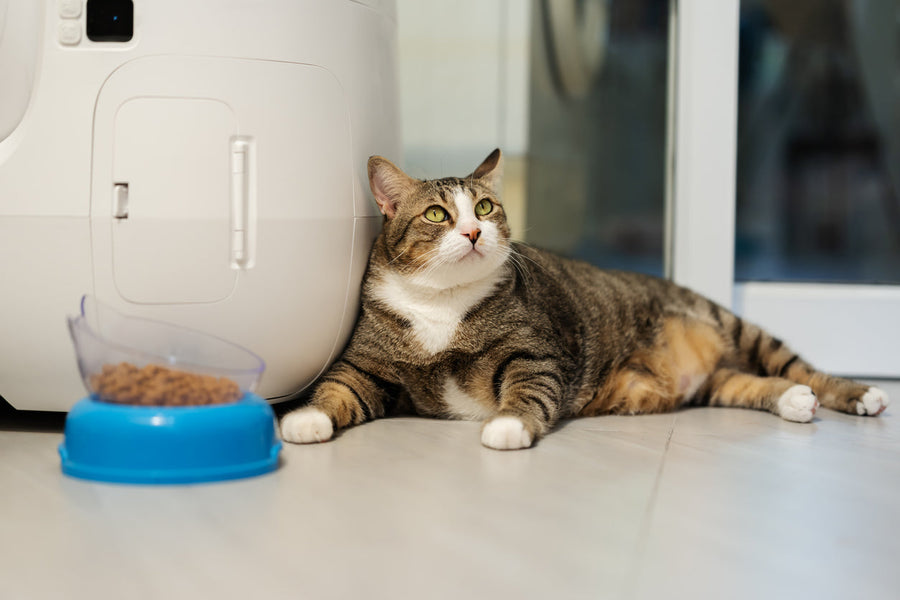
Best Clumping Litter for Raking vs Rotating Automatic Litter Boxes
Choosing the right litter for your automatic litter box can improve clumping performance, reduce odors, and minimize maintenance. Learn the key differences between raking...
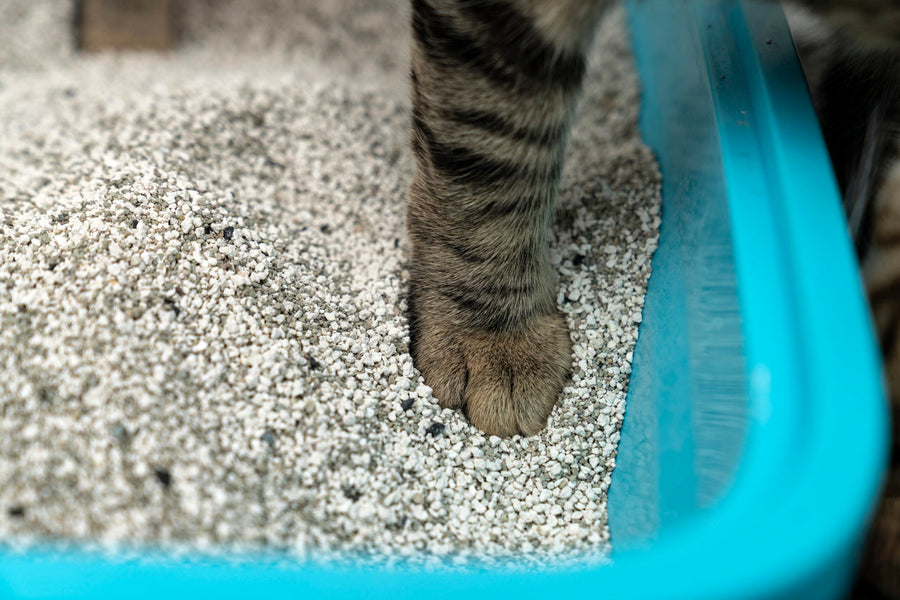
Low-Tracking Litter Tips for Carpeted Homes
Learn how to reduce cat litter tracking on carpet with low-tracking litter formulas, larger litter mats, better litter box placement, and simple daily maintenance...
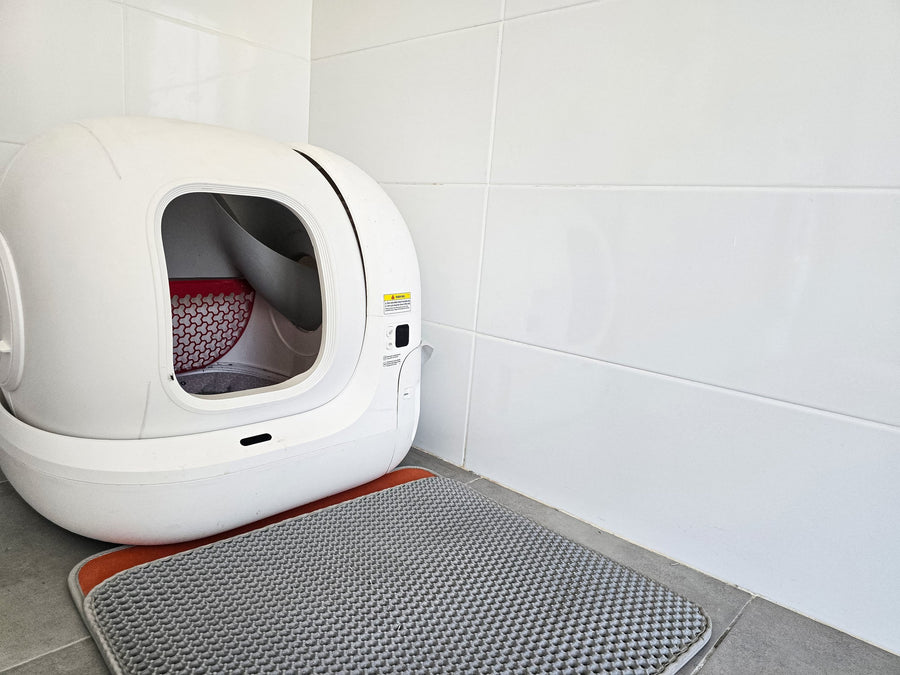
How Automatic Litter Boxes Change Your Daily Litter Routine
Automatic litter boxes can simplify your litter routine by reducing daily scooping, improving odor control, and creating a cleaner experience for both cats and...

Noise-Sensitive Cats and Automatic Litter Boxes: Litter, Placement, and Training Tips
Automatic litter boxes can simplify cleanup—but for noise-sensitive cats, the sounds and motion can be intimidating. With the right setup, litter choice, and gradual...

Is Clumping Clay Litter Safe for Kittens?
If you just brought home a kitten, one of the first things you’ll need to figure out is what kind of litter to use....

What’s the Best Cat Litter for Senior Cats?
Choosing the best litter for a senior cat is about more than cleanliness—it’s about comfort, accessibility, and health. From soft textures to low-dust formulas...

Fragrance-Free Cat Litter for Sensitive Households
Fragrance-free cat litter offers a cleaner, healthier alternative to heavily scented options. Learn how artificial fragrances can impact both you and your cat, why...

The Microbiology of the Litter Box: Germs, Ammonia, and Probiotic Litter
Your cat’s litter box is more than just a place for waste—it’s a living microbial ecosystem. This guide explores how bacteria create ammonia odors,...

Best Cat Litter for Multi-Cat Homes
Managing a multi-cat household doesn’t have to mean constant odors and cleanup. With the right litter—featuring strong clumping, advanced odor control, low dust, and...


